

Sleeping With Knee Pain
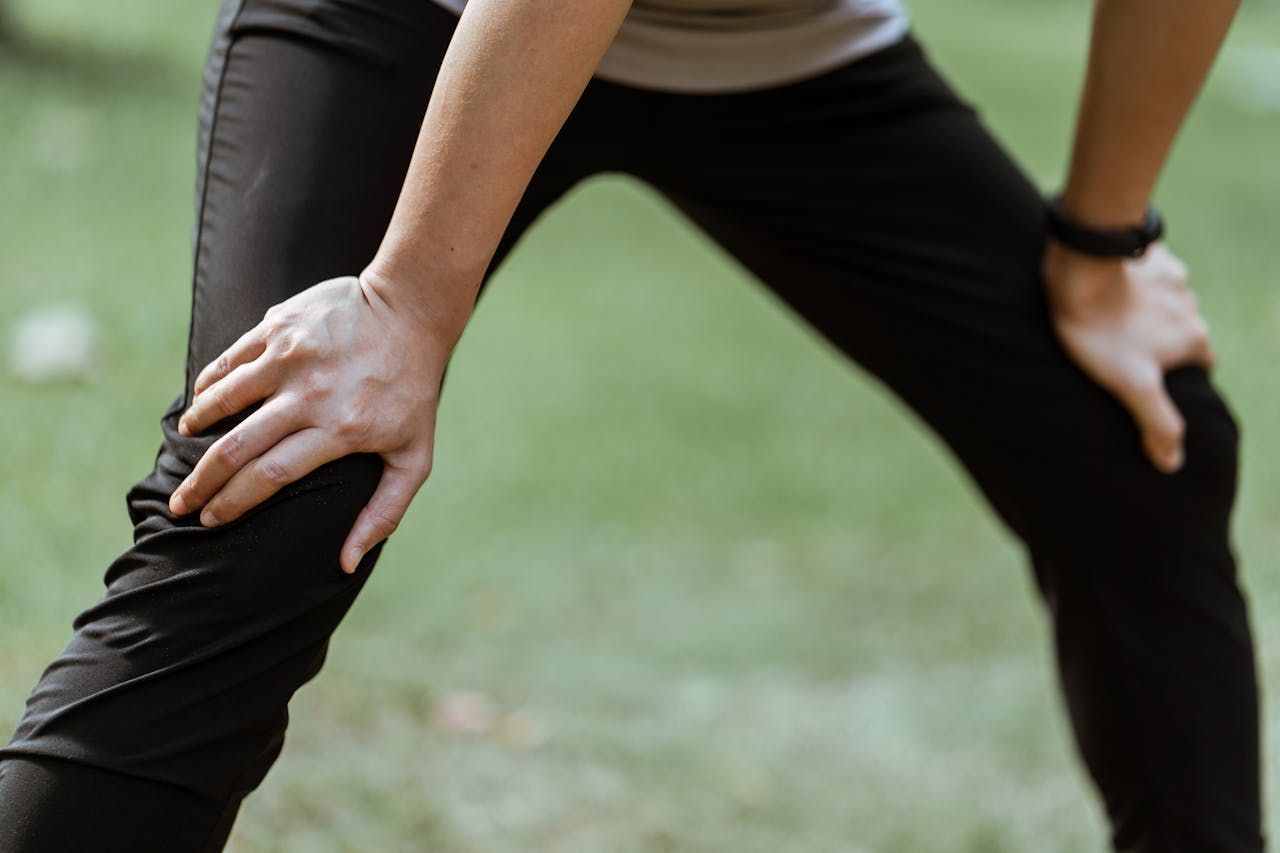
Knee pain is never fun, especially when it strikes just as you’re trying to drift off to sleep.
That dull ache or sharp twinge can make it nearly impossible to get comfortable, leaving you tossing and turning through the night. Poor sleep then slows recovery, trapping you in a frustrating cycle of pain and fatigue.
Learning how to sleep comfortably with knee pain can make a real difference to both your rest and recovery.
In this guide, we’ll walk through simple, practical ways to ease discomfort and protect your knees while you sleep.
How to Sleep Better With Knee Pain
Struggling with knee pain at night?
A few simple adjustments to your sleep setup can make a big difference.
1. Find the Right Sleeping Position
The position you sleep in plays a major role in how much pressure your knees feel. Choosing the right one can help ease tension and prevent unnecessary strain.
If you sleep on your back: Place a pillow under your knees to keep your legs slightly bent. This helps maintain natural alignment and takes pressure off the joints.
If you sleep on your side: Try tucking a pillow between your knees. It keeps your legs and hips aligned, preventing your knees from rubbing together and easing discomfort.
The Groove X Knee Pillow is ideal for side sleepers, it fits comfortably between your legs to support your knees and hips, helping you stay in a pressure-free position all night.
Best Sleeping Position For Knee Pain
For many people, sleeping on the back with a pillow under the knees offers the most relief. This position supports natural alignment and takes pressure off the knee joints.
Others prefer sleeping on their side with a pillow between their knees, which prevents them from rubbing together and helps reduce tension through the hips and lower body.
The best sleeping position for knee pain isn’t one-size-fits-all. It depends on your comfort level and what’s causing the pain in the first place. Frustrating as that sounds, the key is to listen to your body and adjust accordingly.
Above all, pay attention to what makes your pain worse. If you wake up sore after sleeping with your legs bent, try keeping them straighter next time.
The goal is to find a position that feels supportive and leaves you waking up more comfortable, not stiff or aching.
2. Choose a Supportive Mattress and Bedding
A good night’s sleep starts with the right foundation. A medium-firm mattress is ideal for people with knee pain—it keeps your spine and joints aligned without sinking or creating extra pressure points.
If you often feel inner knee pain while sleeping on your side or pain around the kneecap on your back, your mattress might be too soft or unevenly supportive.
Pair your mattress with soft, breathable bedding to stay cool through the night. Overheating has been linked to poor-quality sleep, so lighter sheets and a comfortable temperature can make a real difference.
3. Use a Dedicated Knee Pillow
A quality knee pillow can do wonders for relieving nighttime knee pain. By supporting the natural alignment of your knees and hips, these pillows reduce strain on the joints and help you stay comfortable all night.
Look for a design made from memory foam, which contours gently to your body.
The Groove X Lower Back Pain Relief Pillow is shaped to fit perfectly between your legs and even includes adjustable straps to stay in place, so you can rest easy until morning.
Shop Now4. Try Heat or Cold Therapy
Before bed, applying heat or cold therapy can help calm the pain. Heat relaxes tight muscles and improves circulation, while cold reduces inflammation and dulls any sharp sensations.
Try alternating between a hot water bottle and an ice pack to see which works best for your type of discomfort. Just be sure to wrap them in a towel to protect your skin.
5. Stretch Before You Sleep
A few minutes of gentle stretching before bed can go a long way in easing stiffness and improving flexibility. Focus on movements that target the quadriceps, hamstrings, and calves, as these muscles support and stabilise the knee joint.
Avoid intense yoga flows right before bed, stick to slow, restorative stretches that help your body unwind.
6. Build Strength and Mobility
Regular mobility and resistance training can strengthen the muscles that protect your knees and improve how your joints move. The stronger your legs are, the less strain your knees will take during the day (and the night).
If you’re unsure where to start, a physiotherapist can design a simple plan that fits your needs and current pain level.
7. Check for Underlying Causes
Knee pain doesn’t always come from a recent injury. It can also be linked to conditions such as arthritis, bursitis, or tendonitis.
If the pain lingers or worsens, it’s best to see a healthcare professional. Getting a proper diagnosis early can help you treat the cause, not just the symptoms, and prevent future flare-ups that make sleeping uncomfortable.
Shop Now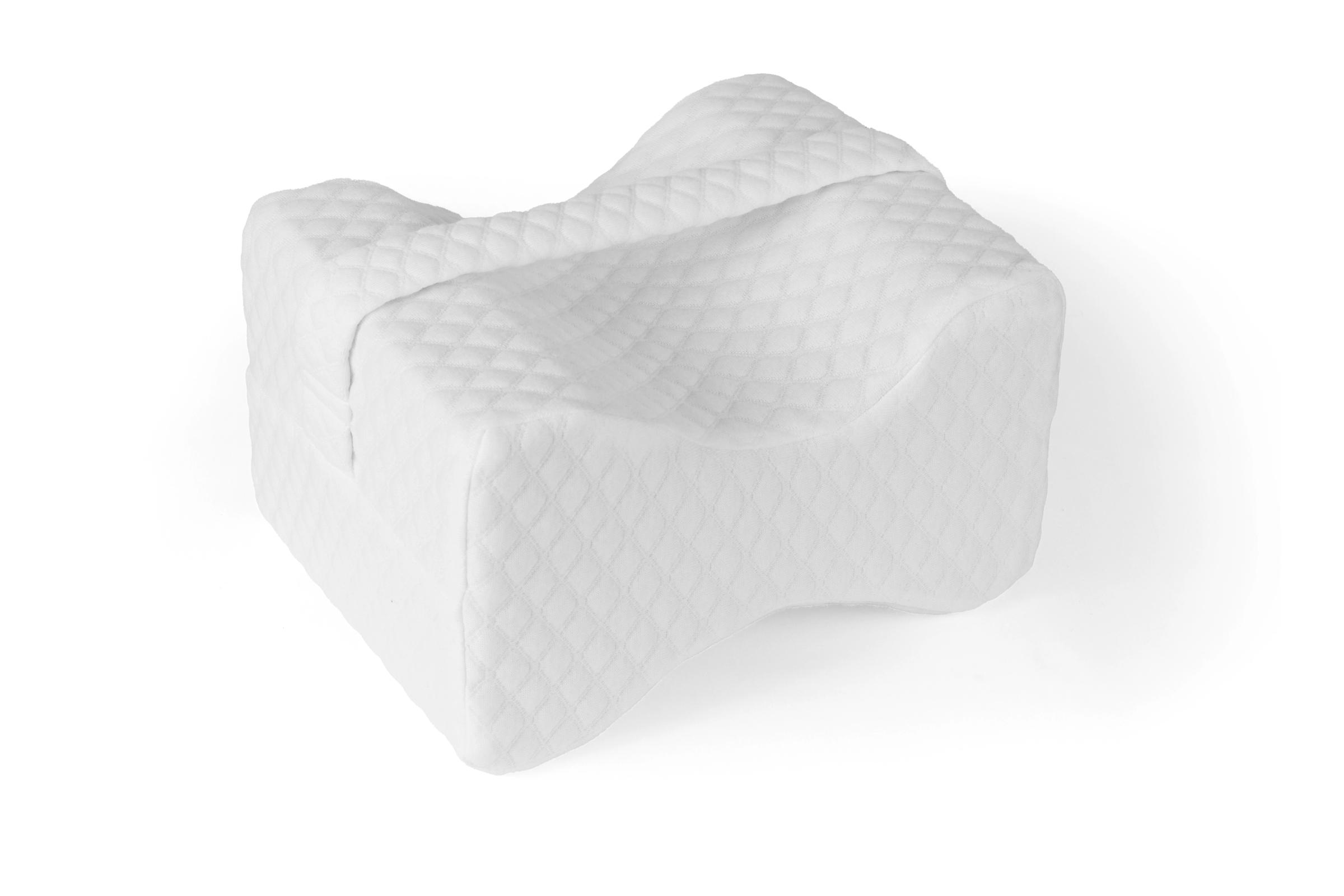
FAQs About Sleeping With Knee Pain
What’s the best sleeping position for knee pain?
Most people find relief by sleeping on their back with a pillow under the knees or on their side with a pillow between them. Both help reduce pressure and improve alignment.
Why does my knee hurt when I sleep with my legs bent?
Keeping your legs bent increases joint pressure and can worsen pain from arthritis or bursitis. Try to rest with your legs straighter instead.
Why do I get inner knee pain at night?
Inner knee pain often comes from poor sleeping posture, ligament strain, or arthritis. A memory foam knee pillow can help keep your knees aligned and reduce tension.
Should I elevate my knee while sleeping?
Yes, gently elevating your knee with a pillow or wedge can reduce swelling. Just avoid lifting it too high, as that can restrict circulation.
Why do I get sharp knee pain while sleeping?
Sudden pain at night could be linked to gout, nerve irritation, or a meniscus tear. If it doesn’t improve within two weeks, check in with your doctor.

Final Thoughts
Looking for relief from knee pain at night? Groove Pillows are designed to support proper alignment, ease pressure, and help you wake up feeling rested.
Shop NowReferences
- Chevance, G., Minor, K., Vielma, C., Campi, E., O’Callaghan-Gordo, C., Basagaña, X., Ballester, J. and Bernard, P. (2024). A systematic review of ambient heat and sleep in a warming climate. Sleep Medicine Reviews, [online] 75, p.101915. doi:https://doi.org/10.1016/j.smrv.2024.101915.
- Zhang, Q., Styf, J. and Lindberg, L.-G. (2001). Effects of limb elevation and increased intramuscular pressure on human tibialis anterior muscle blood flow. European Journal of Applied Physiology, 85(6), pp.567–571. doi:https://doi.org/10.1007/s004210100496..