


If you have neuropathy, you will know that night time can feel longer than it should. Tingling, numbness, burning or shooting pain in the hands, feet or arms often feels worse once you lie down and everything goes quiet.
Neuropathy is nerve damage in the body’s extremities. When circulation slows and pressure increases during sleep, symptoms can intensify. That is why positioning and support matter so much.
The good news is that small adjustments to how you sleep and what you sleep with can make a noticeable difference.
Why Neuropathy Often Feels Worse at Night
Research shows that up to 68 percent of people with neuropathy experience disturbed sleep (Ferini-Strambi, 2017). Reduced movement, pressure on sensitive nerves and slower circulation at night can all amplify symptoms.
When you are trying to figure out how to sleep with neuropathy, the focus should always be the same. Keep the spine aligned, reduce pressure on irritated nerves and support the areas that tend to flare.
Back Sleeping for Neutral Alignment
Back sleeping is often one of the most comfortable starting points. It helps maintain a neutral spine and keeps weight evenly distributed.
If you are dealing with neuropathy in the feet, lying on your back gives you the option to gently elevate your legs. Placing a pillow under your knees can reduce pressure and improve circulation without straining the lower back.
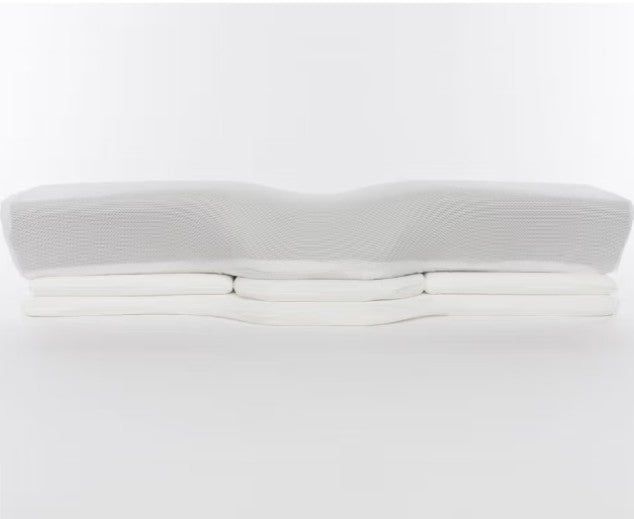
Your neck support matters here too. A pillow that is too high can push your chin forward and aggravate nerve pain in the neck and shoulders. The Groove Adjustable Pillow allows you to customize the height so your head stays in a neutral position. That small adjustment can help reduce compression through the upper spine.
Side Sleeping Without Twisting
Side sleeping can also work well, especially if you lie on the less affected side. The key is keeping everything aligned rather than curling into a tight ball.
Your shoulders and hips should stay stacked. A pillow between the knees helps prevent the top leg from pulling the spine out of alignment. Hugging a full length pillow can protect the arms and reduce pressure on the shoulders. The Groove Body Pillow works particularly well here because it supports the front of the body and helps you avoid collapsing forward.
This position is often helpful for people learning how to sleep with neuropathy in hands or managing nerve pain in the arms.
Gentle Leg Elevation for Foot Neuropathy
If tingling or burning in the feet keeps you awake, slight elevation can help. A pillow under the knees while back sleeping allows the lower limbs to relax without overstretching the lower back.
The aim is not dramatic elevation, just enough to reduce pressure and improve comfort.
Recliner Sleeping for Short Term Relief
During flare ups, some people find relief by sleeping in a reclined position. Slightly elevating the legs and supporting the head can reduce pressure on sensitive nerves.
This can be useful occasionally but it is not ideal as a long term solution. Over time, recliner sleeping can contribute to neck and back discomfort if alignment is not properly supported.
Positions and Habits That Can Make Symptoms Worse
Certain habits tend to aggravate nerve pain overnight. Tight fetal positions can compress nerves along the spine. Sleeping directly on your hands or arms can worsen numbness. Bent wrists or tucked hands under the pillow can increase pressure.
An overly high pillow that pushes the chin forward may also irritate nerves running through the neck and shoulders. Alignment always comes first.
Choosing the Right Pillow for Nerve Pain
Pillow height and support play a bigger role than most people realise. If your head is too elevated or sinks too low, the neck can compress delicate nerve pathways.
Memory foam pillows that adapt to your shape are often more supportive than standard hollow pillows. The Groove Adjustable Pillow allows you to remove or add filling so you can fine tune the height.
If you struggle with arm or shoulder nerve pain, hugging a Groove Body Pillow can protect the upper body and prevent compression while you sleep.
Extra Tips to Sleep Through Nerve Pain
Positioning is important but so is your overall routine. A warm bath before bed can improve circulation and relax tense muscles. Gentle stretching or relaxation exercises may help release built up tension. Keeping a consistent bedtime routine signals to your body that it is time to wind down.
Sleep hygiene matters more than most people think. A 2023 study found that poor sleep routines are common and can worsen daytime fatigue and overall wellbeing (Alanazi et al., 2023). Reducing screen time before bed and keeping your sleep environment calm can support better rest.
If symptoms worsen, change suddenly or are accompanied by weakness or balance issues, it is important to seek medical advice.
Final Thoughts
Sleeping with neuropathy does not have to mean accepting broken nights forever. The right sleep position, proper elevation where needed and supportive pillows can reduce pressure on sensitive nerves and improve comfort.
If you are ready to make a change, exploring adjustable and supportive options like Groove pillows can help you create a setup that works for your body and your symptoms.
Shop The Groove Adjustable Pillow
References
- Alanazi, E.M., Alanazi, A.M.M., Albuhairy, A.H. and Alanazi, A.A.A. (2023). Sleep hygiene practices and its impact on mental health and functional performance among adults in tabuk city: A cross-sectional study. Cureus, 15(3), pp.1 to 12. doi:https://doi.org/10.7759/cureus.36221.
- Ferini-Strambi, L. (2017). Neuropathic Pain and Sleep: A Review. Pain and Therapy, 6(S1), pp.19 to 23. doi:https://doi.org/10.1007/s40122-017-0089-y.